What Makes a Brand Look Premium? 12 Branding Elements That Build Trust and Increase Perceived Value
By Brittany Hill · June 2, 2026
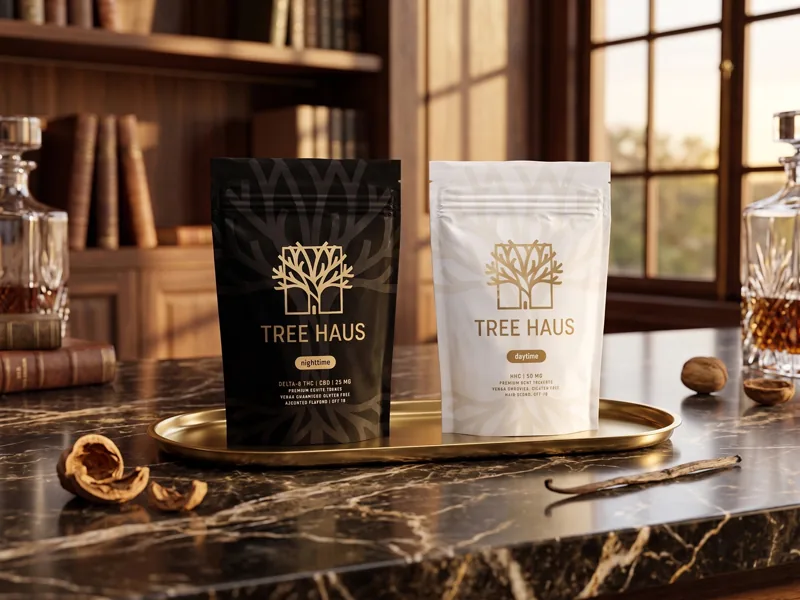
Most businesses assume a premium brand starts and ends with a beautiful logo.
It doesn't.
A premium brand is the cumulative result of hundreds of highly intentional decisions working together to create a cohesive ecosystem. It is the definitive line between a company that looks established, trustworthy, and authoritative—and one that feels entirely forgettable.
Whether you are launching an enterprise startup or evaluating your current positioning, these are the 12 core branding elements that have the most significant impact on how your target audience perceives your company's value.
Ready to elevate your brand equity? A strong visual identity is only one piece of the puzzle. Explore our branding services to see how strategic branding helps businesses build trust, stand out, and scale.
Explore Branding Services →The Strategic Foundations of Premium Branding
Before designing a single asset, a high-value brand must build its conceptual framework. Without strategy, even the best visuals will fail to convert.
1. Clear Positioning
Premium brands know exactly who they are, what they stand for, and precisely who they serve. They don't try to appeal to everyone. When your market positioning is hyper-focused, your messaging becomes sharper, your marketing costs decrease, and ideal clients immediately recognize your unique value proposition.
2. Distinctive Brand Personality
The strongest brands are never generic. They possess a clear voice, distinct perspective, and a defined point of view. Whether your brand personality is sophisticated, innovative, radically approachable, or boldly disruptive, authenticity helps people remember you in a saturated market.
3. Strong Brand Messaging
Modern buyers do not invest in services; they invest in outcomes. Premium brands focus less on listing arbitrary features and more on communicating the exact transformation they deliver. Clear, compelling copywriting often has a far greater impact on revenue than aesthetic design alone.
The Visual System: Designing for High Perceived Value
Once the strategy is locked in, the visual identity must be engineered to reflect that premium authority visually.
4. Consistent Visual Identity
Your color palette, typography systems, imagery direction, and iconography must feel entirely unified across every single touchpoint. A rigorous brand style guide ensures this alignment. Consistency builds familiarity, and familiarity builds deep consumer trust.
5. Professional Typography
Typography is one of the most frequently overlooked design decisions in digital marketing. Premium brands utilize intentional typography hierarchies that prioritize readability, structure, and brand character. Poor font choices can instantly make an exceptional business look amateur.
6. Strategic Use of White Space
Clutter communicates chaos and stress; deliberate white space communicates absolute confidence. Luxury and premium brands have capitalized on this rule for decades. Giving your content room to breathe naturally elevates your perceived value and improves user comprehension.
7. High-Quality Photography and Bespoke Visual Assets
Overused stock photos rarely cultivate market differentiation. Custom brand photography, original graphic components, and thoughtful creative direction are essential to establish market credibility and authentically reinforce your brand identity.
Execution, Touchpoints, and the Customer Experience
A premium brand is sustained by how it shows up across the entire customer lifecycle. Every digital and physical interaction must match your positioning.
8. A Website That Matches Your Brand Quality
Your website is almost always the first major interaction a prospective client has with your business. If your digital footprint feels outdated, confusing, or disconnected from your sales conversations, user trust will vanish before a relationship can even form.
Your website is your most visible business asset. See how our web design services help growth-focused businesses build custom digital experiences that cultivate trust and drive tangible revenue results.
Explore Web Design Services →9. Consistency Across Every Touchpoint
Premium brands feel incredibly intentional because every minor interaction reiterates the exact same high-end experience. This requires auditing your entire ecosystem, including:
- 01Core website and landing pages
- 02Social media channels
- 03Email marketing templates
- 04Client proposals and pitch decks
- 05Internal sales materials
- 06Paid advertising creatives
10. Meticulous Attention to Detail
Premium brands sweat the small stuff. The letter-spacing in a physical brochure, the loading speed of a web page, the precise phrasing of a call-to-action, or the onboarding sequence of a welcome email—all of these micro-details signal professionalism long before a contract is signed.
11. Confidence in Pricing Structure
Many businesses unintentionally devalue their market authority by immediately competing on price. Premium brands bypass the race to the bottom by competing exclusively on expertise, deep experience, and high-value outcomes. When your external branding supports your intrinsic value, pricing conversations become effortless.
12. A Long-Term Brand Strategy
Iconic brands are not built overnight through fleeting design trends. They are forged through disciplined, consistent execution over time. The businesses that command the highest premiums today are the exact same ones that view brand development as a continuous, high-yield asset rather than a one-time marketing project.
Why Premium Branding Directly Impacts Your Bottom Line
Perception dictates consumer behavior. In highly competitive B2B and consumer markets, the clarity and professionalism of your brand often determine who earns the ultimate opportunity to close the sale.
According to corporate branding research, consumers are significantly more likely to trust, engage with, and pay a premium for brands that appear polished, consistent, and structured.
The most successful brands aren't always the ones with the largest budgets; they are simply the clearest.
FAQ — Building a Premium Brand
What makes a brand look premium?
A premium brand is built by seamlessly combining sharp market positioning, a highly consistent visual identity, intentional typographic hierarchy, clear outcome-based messaging, and a seamless customer experience across every touchpoint.
Does investing in branding affect sales performance?
Yes. Strategic branding directly increases long-term brand equity and customer trust. By reducing friction in the sales cycle and establishing higher perceived value, businesses can command premium pricing and realize stronger customer conversion rates.
Can a small business compete with a premium brand identity?
Absolutely. Achieving a premium brand identity is completely independent of headcount or company size. It relies entirely on clarity, attention to detail, and a commitment to executing your brand guidelines consistently.
What is the single most critical element of branding?
Market positioning is the foundation of everything. If your target audience does not clearly understand what differentiates your business from the competition, even the most beautiful graphic design will struggle to generate a measurable business return.
Final Thoughts: Intentionality Wins
Premium brands aren't built by chasing passing aesthetics or design trends; they are built through highly disciplined, intentional choices. When your positioning, messaging, user experience, and visual system work in harmony, your company becomes inherently more memorable, more trustworthy, and infinitely more valuable.
Stop settling for a generic digital presence. Let's collaborate to build a strategic, custom brand identity engineered to command authority, earn deep trust, and unlock long-term business growth.
Connect with Elxel Creative →Continue Exploring
Service
BRANDING & DESIGN
From bold brand identities to custom graphics with personality, we combine strategy, creativity, and functionality to create designs that make people stop and pay attention. Whether you need a full brand refresh, custom graphics, or scroll-stopping animations, let us help bring your unique vision to life.
Case study
PediaWise
We partnered with PediaWise, a subscription-based pediatric resource created by a board-certified pediatrician, to bring a trusted health platform to life from the ground up. Designed to support parents from pregnancy through the first three years of life, PediaWise needed a brand and digital experience that felt approachable, credible, and easy to navigate.
Next step
Start a Project
Tell us what you need. We typically respond within one business day.
Let's build it
Start a Project
If this article sparked a next step, tell us what you need. We typically respond within one business day.
Start a Project