Brand Consistency: The Most Expensive Design Mistake You're Probably Making
By Brittany Hill · July 7, 2026
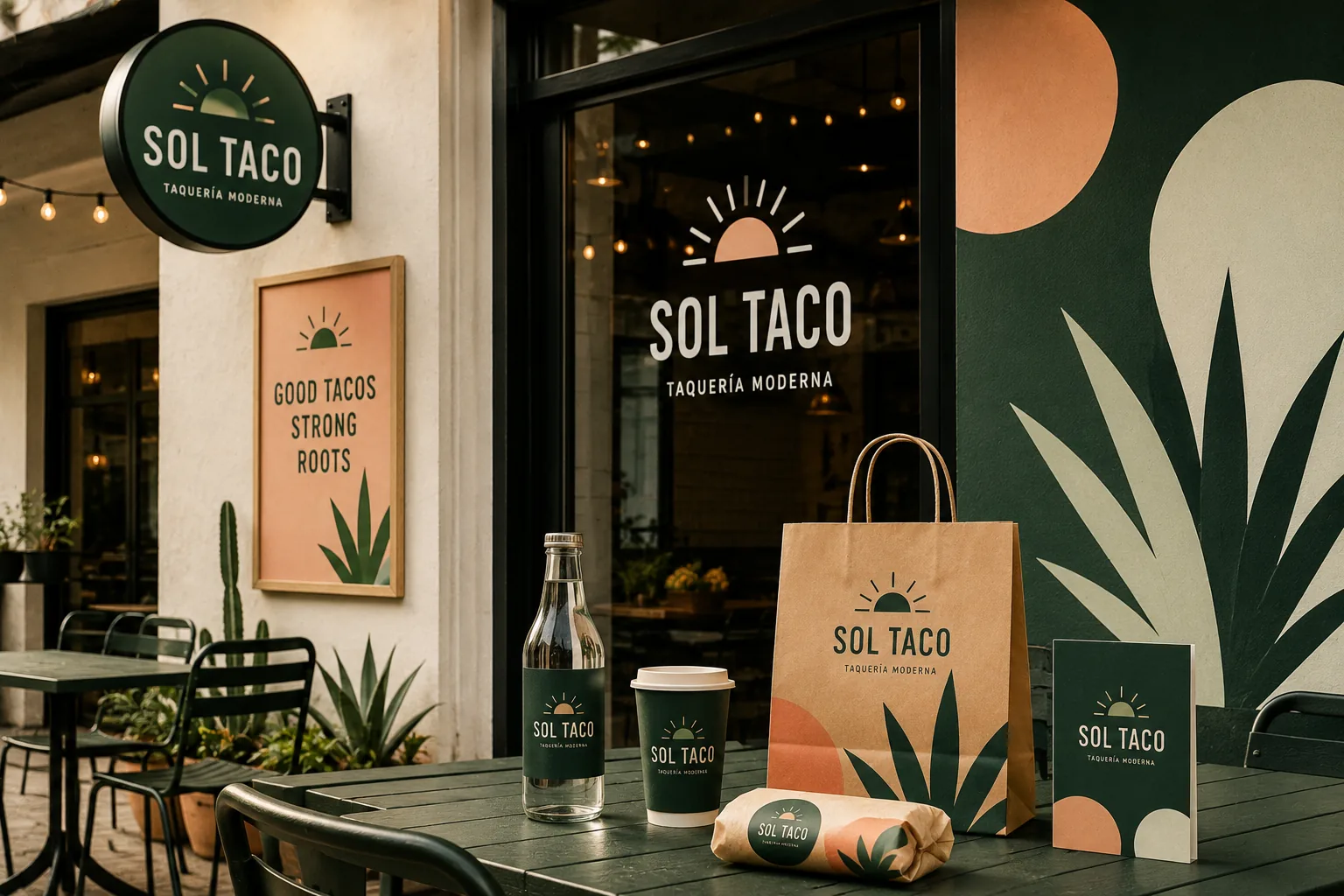
Let's play a quick game. Open your website. Now pull up your LinkedIn page. Then find your latest brochure. Now your email signature.
Do they actually look like they belong to the same company?
If the answer is "sort of"... you're not alone.
One of the biggest branding problems we see isn't bad design. It's inconsistent design. Different fonts. Different logo versions. Different colors. Different messaging.
None of those things seem like a big deal on their own. Together? They quietly chip away at your credibility.
Does your brand feel a little... all over the place? See how we help organizations build brands that feel consistent from the first click to the final brochure.
Explore Branding Services →Here's the Thing Nobody Talks About...
Customers don't experience your brand all at once. They experience little pieces of it — your website, a proposal, an annual report, a LinkedIn post, a PowerPoint presentation, a trade show banner.
Each one is another vote for—or against—your credibility. If every touchpoint feels different, people start wondering what's actually connected. Good branding removes that question entirely.
Inconsistent Brands Create Friction
Imagine walking into your favorite coffee shop. The logo is different. The menu uses different colors. The cups have another logo. The employees are wearing something else entirely.
You'd notice. Not because any one piece was terrible. Because together, they don't make sense. Businesses do this all the time without realizing it.
Consistency Doesn't Mean Everything Has to Match
This is where people get stuck. Brand consistency doesn't mean every graphic has to look identical — it means everything should feel like it belongs to the same family.
Your social posts shouldn't look like they came from one company while your annual report looks like it came from another. The goal isn't repetition. It's recognition.
Your Logo Isn't Carrying the Whole Brand
We hear this a lot: "We just need a better logo." Maybe. But usually, the logo isn't the problem. It's everything around it.
A great logo can't fix:
- 01Inconsistent typography
- 02Outdated marketing materials
- 03Random color choices
- 04Conflicting messaging
- 05Five different PowerPoint templates floating around your office
Your logo is one piece of the puzzle. Your brand is the whole picture.
Curious what that looks like in practice? Browse our case studies to see how we've helped organizations build cohesive brand systems — not just logos.
View Case Studies →The Hidden Cost of Inconsistency
Here's the part most businesses miss: inconsistent branding costs time. Someone recreates the flyer because they can't find the original. The marketing team isn't sure which logo file is current. Sales builds a proposal from scratch. The website uses one message, the brochure says something else.
It feels small. Until it happens every week.
Strong brand systems eliminate those tiny decisions — which means your team spends less time guessing, and more time doing great work.
So How Do You Fix It?
Good news. You don't need to start over. Most brands simply need a system, which might include:
- 01Clear brand guidelines
- 02Defined typography
- 03Color standards
- 04Logo usage rules
- 05Marketing templates
- 06Presentation templates
- 07Social media graphics
- 08A website that actually reflects your brand
It's less about making everything prettier. It's about making everything work together.
FAQ — Brand Consistency
What is brand consistency?
It's making sure your business looks and sounds like the same company everywhere someone encounters it — your website, your socials, your sales deck, your email footer. Same identity, same voice, every time.
Why is brand consistency important?
Because trust is built through repetition. Every time your brand looks familiar, it reinforces that you're legitimate. Every time it looks different, people quietly wonder if something's off — even if they can't say why.
Does brand consistency affect marketing?
Directly. Disjointed materials make your message harder to believe, no matter how good the message actually is. Consistent branding lets the content do its job instead of fighting the packaging.
How do I make my brand more consistent?
Start with a real set of brand guidelines — typography, color, logo usage, tone — and build templates off of them so your team isn't reinventing your identity every time they open a blank document.
Final Thoughts
The strongest brands aren't always the loudest. They're the easiest to recognize.
When every interaction feels connected, people stop noticing the design... and start remembering the brand. That's the goal.
Ready to bring your brand together? Whether you need a full brand refresh, marketing materials, or a design system your team can actually use, we're here to help.
Start a Project →Continue Exploring
Service
BRANDING & DESIGN
From bold brand identities to custom graphics with personality, we combine strategy, creativity, and functionality to create designs that make people stop and pay attention. Whether you need a full brand refresh, custom graphics, or scroll-stopping animations, let us help bring your unique vision to life.
Case study
National Museum of African American History & Culture
We partnered with the Smithsonian National Museum of African American History and Culture (NMAAHC) to reimagine Curated for Community—the museum's quarterly newsletter. We crafted a refined eight-page publication that balances clarity and storytelling, using thoughtful layouts and custom infographics.
Next step
Start a Project
Tell us what you need. We typically respond within one business day.
Let's build it
Start a Project
If this article sparked a next step, tell us what you need. We typically respond within one business day.