Branding Trends 2026: Why Most Brands Will Look Generic
By Brittany Hill · May 5, 2026
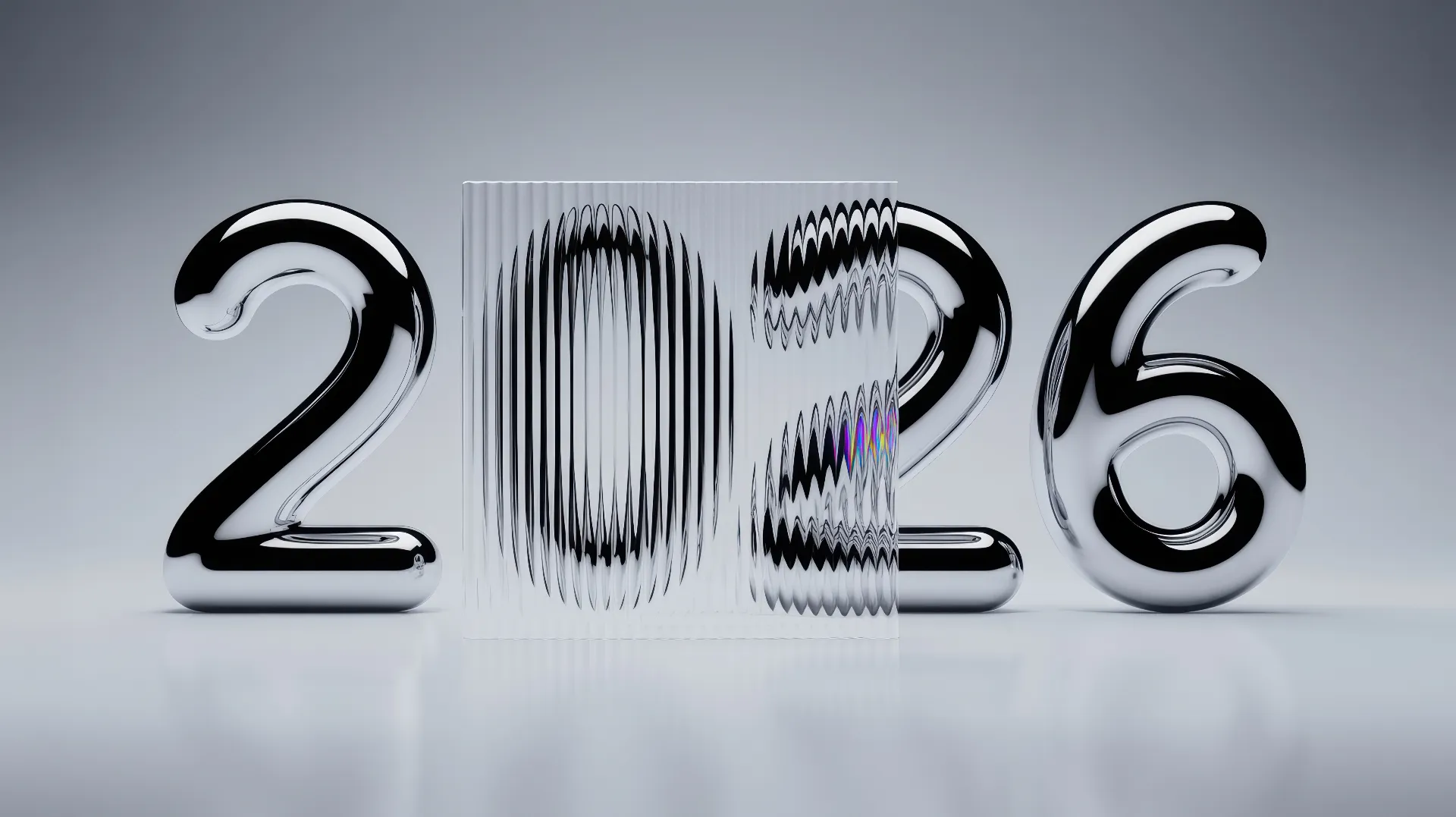
Every year, new branding trends emerge—and most brands rush to follow them.
The result is predictable: Everything starts to look the same.
In 2026, this is more than a creative problem. It's a business problem.
Because in saturated markets, differentiation directly impacts pricing power, trust, and conversion.
According to Lucidpress, consistent branding can increase revenue by up to 33%. But consistency alone isn't enough if your identity looks identical to competitors.
Recognition beats trend alignment.
What Are the Biggest Branding Trends in 2026?
Key branding trends include:
- 01Minimalist identity systems
- 02Neutral and desaturated color palettes
- 03Sans-serif typography dominance
- 04AI-generated brand assets
- 05Grid-based design systems
While these trends are visually clean, they create a new problem: They reduce differentiation across industries.
Research from Siegel+Gale found that simplicity is strongly associated with brand trust—but only when paired with distinctive elements.
Without differentiation, simplicity becomes sameness.
Why Following Branding Trends Makes You Look Generic
When brands rely heavily on trends:
- 01They lose visual identity
- 02They blend into competitors
- 03They become harder to recall
And recall matters. Studies from Nielsen show that brand familiarity significantly increases purchase intent.
If your brand is visually interchangeable, you're not competing on value—you're competing on noise.
What Makes a Brand Stand Out in 2026
Strong brands are built on systems, not trends.
They prioritize:
- 01Clear positioning
- 02Recognizable visual identity
- 03Consistent design language
- 04Emotional differentiation
This creates:
- 01Faster recognition
- 02Higher perceived value
- 03Stronger trust signals
In competitive markets, distinctiveness becomes a pricing advantage.
Why Minimalist Branding Is Often Misused
Minimalism has become the default aesthetic—but most brands apply it incorrectly. Instead of refining identity, they remove it.
The result:
- 01Loss of personality
- 02Weak emotional connection
- 03Generic visual systems
True minimalist branding is not about subtraction. It's about precision and intent.
Why Your Brand Feels Generic (And How to Fix It)
If your brand feels interchangeable, it's usually because:
- 01You followed trends instead of strategy
- 02Your positioning is unclear
- 03Your visual identity lacks distinctive cues
To fix it:
- 01Define positioning before visuals
- 02Introduce owned design elements (not trend-based ones)
- 03Build consistency across every touchpoint
A strong brand isn't modern. It's recognizable at scale.
FAQ — Branding in 2026
What makes a brand stand out in 2026?
Clear positioning, consistent identity, and distinctive visual systems—not trend-based design choices.
Are branding trends bad to follow?
Not inherently. But relying on them too heavily reduces differentiation, which weakens long-term brand recognition.
Why do most modern brands look the same?
Because many use similar tools, templates, and minimalist design systems without adding unique brand elements.
How do I create a premium brand identity?
Focus on positioning first, then build a visual system that reinforces clarity, consistency, and differentiation.
Conclusion
Branding trends come and go. But brands that rely on them lose what matters most: identity.
In 2026, the real advantage isn't being current. It's being unmistakable.
If your brand feels interchangeable, let's build something that actually stands out.
Build Something That Stands Out →Continue Exploring
Service
BRANDING & DESIGN
From bold brand identities to custom graphics with personality, we combine strategy, creativity, and functionality to create designs that make people stop and pay attention. Whether you need a full brand refresh, custom graphics, or scroll-stopping animations, let us help bring your unique vision to life.
Case study
Standard Communities
We partnered with Standard Communities to evolve and modernize their existing brand identity while preserving the core elements that made it recognizable. As a national real estate investment and development firm focused on affordable housing and community-driven projects, their brand needed to reflect both professionalism and purpose. Our team delivered a comprehensive brand refresh, expanding their visual identity system to better support marketing, presentations, and internal communications at scale.
Next step
Start a Project
Tell us what you need. We typically respond within one business day.
Let's build it
Start a Project
If this article sparked a next step, tell us what you need. We typically respond within one business day.
Start a Project